
In this blog on being an ally to autistic people, we’ll look at the following questions:
- What does it mean to be an ally for autistic people?
- How can you support autistic individuals to be their true selves and reduce the need for masking?
- How can you support and accept non-harmful stimming behaviors in autistic people?
- Why is respecting personal space important for autistic people?
- What is identity-first language, and why is it important to adopt it when referring to autistic people?
- Why should you avoid using functional labels when discussing autism, and how can it help you become a better ally?
- Why is it important to read about and learn from autistic people’s experiences?
- What are some ways to foster inclusive environments for autistic people?
What Does It Mean to Be an Ally for Autistic People?
Being an ally to autistic people can come in many forms. Whether listening to someone’s experience, educating yourself on the disability, or sharing in someone’s burden, you stand alongside autistic individuals. Amplifying your belief in something, even if it doesn’t affect you directly, is being a true ally.
How Can You Support Autistic Individuals to be Their True Selves and Reduce the Need for Masking?
You may ask, “apart from being an ally, how can I support autistic individuals directly”?
Here are some helpful considerations:
- Address them like you would anyone else
- Accept them for who they are
- Be inclusive and welcoming
- Create a safe and comforting environment
- Accept and support stimming
- Be a companion
Autistic people may often “mask” in front of others, where they perform a certain way or suppress themselves to fit in. Supporting autistic people where they’re at and not trying to change who they are will reduce their need to “mask,”; allowing their true identity to shine.
How Can You Support and Accept Non-Harmful Stimming Behaviors in Autistic People?
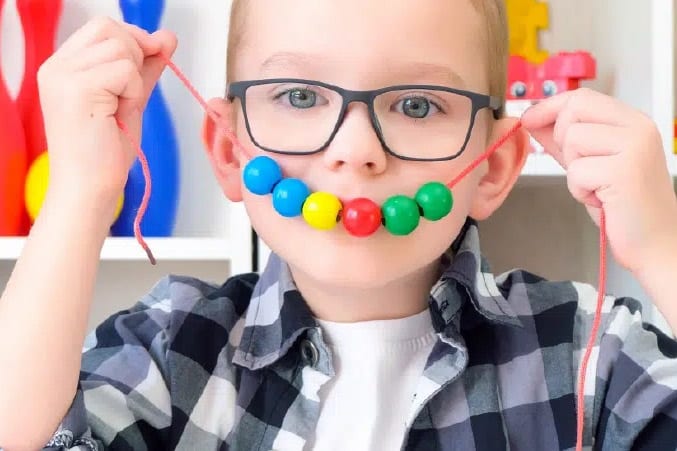
An autistic person may self-stimulate, or “stim”, to regulate strong emotions such as anger, anxiety, excitement, or fear. Stimming can present itself in many physical movements, such as hand flapping, rocking, spinning, finger flicking, or jumping.
Many individuals engage in self-stimulatory behavior to regulate. Do you engage in foot tapping or hair twirling? Have you seen kids jump up and down and flap their arms when excited? We all have regulatory needs expressed through body movements.
Movements such as these are typically harmless and necessary for sensory regulation, so supporting an autistic person’s stimming creates an accepting and inclusive environment.
Stimming is a common need for autistic individuals, so take note to support these movements and accept them.
Why is Respecting Personal Space Important for Autistic People?
Respecting personal space and sensory differences is important for a multitude of reasons. If placed in an overwhelming environment, an autistic person may experience sensory overload.
To prevent stress or other harmful effects, respect one’s boundaries by:
- Refraining from physical touch, as many autistic people do not like to be touched, even by family.
- Create a quiet and calm space to avoid sensory overload of the auditory system.
- Give grace with lack of eye contact, as many autistic individuals have expressed that eye contact can cause discomfort. Presume competence and trust autistic individuals hear what you are saying without requiring eye-contact. This shows respect and honors unique needs.
- Everyone is different so ask if they have any sensory preferences or needs, in order to be open to their individual lived experience and support their self-advocacy
What Is Identity-First Language, and Why Is It Important to Adopt It When Referring to Autistic People?
Identify-first language is a minor change that can make a significant difference. This is a simple language reframe: such as using “autistic person” versus “person with autism.” By using more affirmative language, that autism isn’t something to distance ourselves from, we can make autistic people feel more comfortable and accepted.
Why Should You Avoid Using Functional Labels When Discussing Autism, and How Can It Help You Become a Better Ally?

A functional label is a language choice that stereotypes someone by their extent of function. For instance, “low functioning” may make one seem incapable, while “high functioning” may lead to a lack of attentive care or needed supports (due to their strong management skills).
By emphasizing someone’s level of function and identifying them as such, you’re creating a damaging stigma. To be an ally, you can address someone as an “autistic child” or “autistic person,” and describe their individual supports needed without focusing on incorrect stereotypes regarding skills.
Why Is It Important to Read About and Learn from Autistic People’s Experiences?
Understanding autism and paying special attention to people’s experiences greatly benefits the autistic community. This educates the general public and validates a person’s experience. This type of awareness not only helps autistic people feel accepted and acknowledged but also helps family members or caregivers of autistic people feel seen as well.
Learning about experiences can also amplify autistic voices. The autistic community has expressed that the month of April, previously known as “Autism Awareness Month,” has flooded social media with inaccurate and offensive representations of autism. April has since been renamed “Autism Acceptance Month,” which expresses support towards autism and autistic lived experiences. True allyship is listening to and promoting autistic creators and educators and calling it by its requested name.
What Are Some Ways to Foster Inclusive Environments for Autistic People?
Taking the initiative to create inclusive environments will make all parties feel valued, safe, and open to collaboration. Here are some ways to integrate that today:
- Communicate directly and honestly
- Involve autistic people in decisions and conversations
- Educate others
- Recognize strengths and needs for support
- Accept autistic people as individuals
Accept differences. Educate yourself. Make a change. This is how we can progress as a unified group.