
Learning to feed your child between 6 to 24 months can be challenging, but creating mealtime routines can significantly improve both you and your child’s learning experience.
In this blog, we’ll discuss:
Mealtime Routines
It’s recommended that you sit down with your child for three meals each day- with 2 to 3 “snack times” in between. This helps them develop a mealtime routine and understand their hunger and fullness cues.
Try to plan a consistent meal time every day, and sit down with your child to make the meal more interactive and secure and give them a sense of companionship. All these will help your child eat the food in front of them and integrate food as a regular part of their day. Ensure that each meal has realistic timelines and includes a realistic amount of food for your child to eat. Consistency is key!
Mealtime Strategies
The CDC has recommended six strategies to generate less mealtime stress.
These include:
- Cleanliness. Make sure that hands are washed before mealtime and that your space has a strategic placement to prevent the cleanup hassle. Be prepared with an apron, old clothes, or extra napkins!
- Be Safe. Ensure that your child is seated/strapped in properly to a high chair or booster seat. Watch them at all times!
- Focus. Limit distractions such as technology and face your child towards other family members. This allows them to feel a part of the conversation- remember to talk to them too! Mealtime can also be limited to your child’s attention span, even as short as 10-15 minutes.
- Fingers, Forks, and Cups, Oh My! Use plastic or “unbreakable” dishes that don’t have sharp edges to allow your child to explore finger-feeding options and develop cutlery-holding skills.
- Family Meals. Work to sit down as a family to eat with your child. Model healthy eating habits and include nutritious food groups in your meals.
- Amount. Let your child eat what their body tells them to eat. Don’t force them to “clean their plate” or finish their entire drink. By doing so, they can learn hunger and fullness cues.
Mealtime Tips
Alongside the above-listed strategies, keeping a handful of tips in your mealtime pocket is essential:
- Be patient. As adults, we know our likes, dislikes, routine eating times, and how to self-feed. Your child is exploring all these eating aspects for the first time, so remember to be patient with their sensory exploration. Alongside tasting, encourage your child to feel, smell, hear, and see their food.
- Don’t negotiate. Set clear expectations for what mealtimes look like, don’t negotiate what is served at each meal, and don’t use dessert as a bribe. The goal is to create an overall positive experience around mealtimes.
Food Exploration

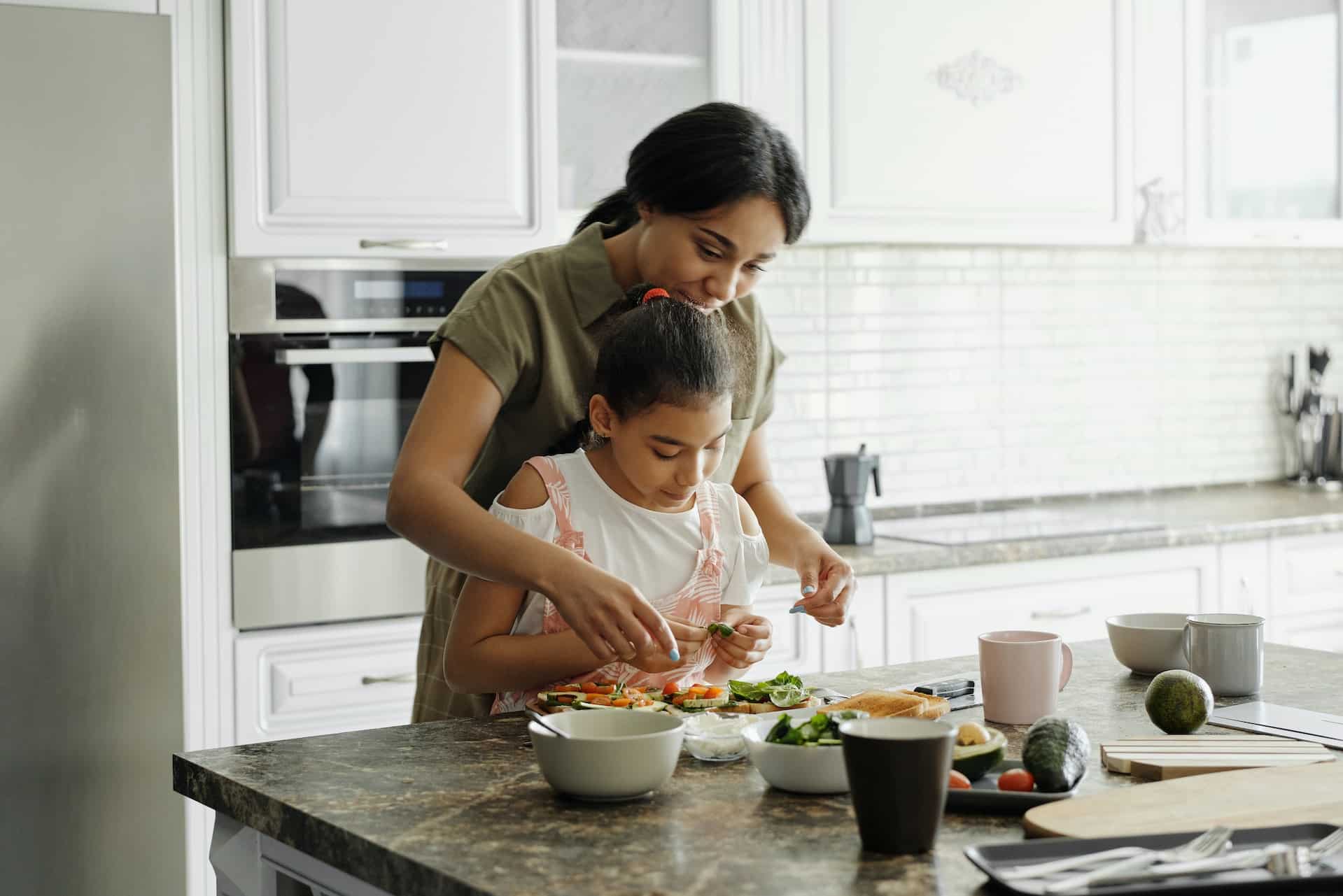
Food doesn’t have to be boring and mundane! Alongside sensory integration, there are a variety of ways to create interactive food exploration. First, you can involve your child in the cooking process. Your child can learn the “behind the scenes” of eating by using real food or play toys, including playing games such as “restaurant” or “tea time.”
By getting comfortable with cutlery, preparation, and cleanup, your child will be more engaged in the mealtime process. You can also introduce new flavors to expand your child’s palette. Don’t let your child “knock it ‘til they try it”! Food exploration is essential for a constructive and positive eating environment.