


• Skip to main content
  • Services
    • ABA Therapy Treatment Services
    • Assistive and Augmentative Communication
    • Speech-Language Therapy
    • Feeding Therapy
    • Occupational Therapy
  • What is Autism?
    • What is ABA Therapy?
  • Resources
    • Our Blog
    • News
    • Pay Bill
  • Locations
    • Ahwatukee
    • Arrowhead
    • Chandler
    • Deer Valley
    • Gilbert
    • Mesa
    • Central Phoenix
    • North Phoenix - Speech, Feeding, and Occupational Therapy
    • Peoria - Speech, Feeding, and Occupational Therapy
    • Surprise
  • About Us
    • Our Story
    • Our Team
  • Careers
  • Contact Us
  • Services
    • ABA Therapy Treatment Services
    • Assistive and Augmentative Communication
    • Speech-Language Therapy
    • Feeding Therapy
    • Occupational Therapy
  • What is Autism?
    • What is ABA Therapy?
  • Resources
    • Our Blog
    • News
    • Pay Bill
  • Locations
    • Ahwatukee
    • Arrowhead
    • Chandler
    • Deer Valley
    • Gilbert
    • Mesa
    • Central Phoenix
    • North Phoenix – Speech, Feeding, and Occupational Therapy
    • Peoria – Speech, Feeding, and Occupational Therapy
    • Surprise
  • About Us
    • Our Story
    • Our Team
  • Careers
  • Contact Us
602-606-2237
Home > Our Blog > How to Support Language Development in Your Child

How to Support Language Development in Your Child

June 13, 2023

Each individual’s development is unique, and plenty of children may take longer in their language development than others.

In this blog, we will answer the following questions:

  • What are the best ways to support language development in my child?
  • What is the importance of speech-language therapy?
  • How do I know whether my child needs a speech-language therapist?

What Are The Best Ways to Support Language Development In My Child?
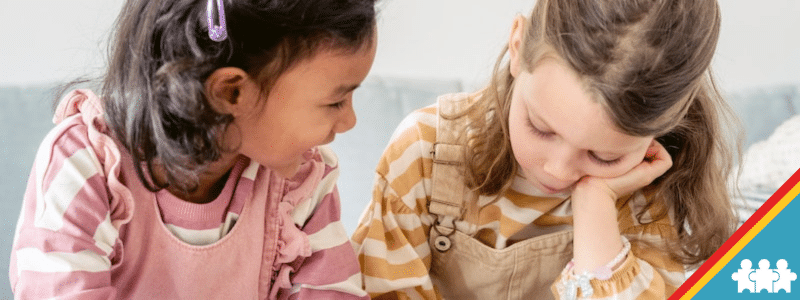
You will remain their biggest support system because you interact with your child more often than a speech-language pathologist or teacher. 

You can support language development by:

  • Talking to them. You can play a significant role in modeling good speech patterns to your child. This includes speaking in your home language, using simple language or short sentences, copying and building on what they say, and using gestures.
  • Spending time reading. Reading to your child exposes them to language skills. This includes rhyming, phonological awareness, and new vocabulary to help them learn to talk.
  • Giving them time to listen. Allowing your child to process what you said increases the chance of success when communicating back. You can also repeat your words to give them a deeper understanding.
  • Gently showing them the correct way. If you give your child the correct phrase through modeling instead of making them repeat the word, they will learn the proper pronunciation.
  • Making interactions conversational. Making comments more often than asking questions will make the conversation feel less like a “test.” Focusing on being conversational helps your child feel more comfortable participating in the flow of a typical exchange.
  • Having fun together! Talking to each other should be fun and engaging. Learning to communicate doesn’t have to feel like a chore. Make up a game or use their preferred play activity to make it feel less like a task or learning session.

What Is the Importance of Speech Therapy in Children?
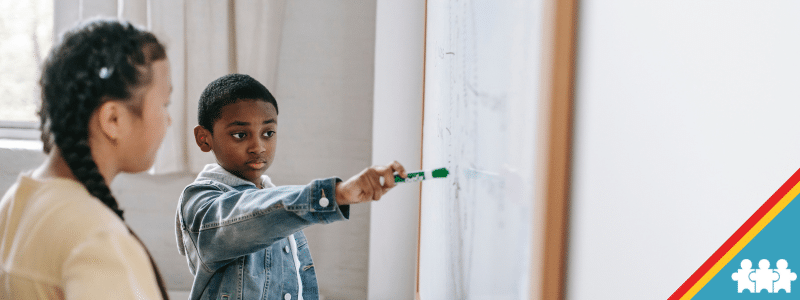
Speech therapy is essential for a multitude of reasons. First and foremost, it helps your child develop autonomous and meaningful communication. It can also help solidify your child’s oral motor skills, such as chewing, swallowing, and articulation. 

Growing in communication skills helps your child develop confidence in everyday interactions, making conversations more natural and increasing their self-esteem in social settings.

How Do I Know Whether My Child Needs a Speech Therapist?

Communication skills can be delayed for several reasons, including learning difficulties, poor sight, and hearing, or underlying developmental delays.

Children may exhibit a variety of symptoms when experiencing speech-language delays, including:

  • Frustration when trying to communicate
  • Small vocabulary
  • Difficulty forming sentences
  • Lack of language understanding
  • Difficulty articulating

Before they can advocate for themselves, you are your child’s number one supporter. If you notice your child struggling with developing language skills, it may be time to reach out to a speech-language pathologist.


New call-to-action

Categories: Speech & Language

Explore Posts Like This One

child with backpack enters school with parent shown from behind

Ready for School? Helping Your Autistic Child Take the Next Step

Navigating the educational landscape is a unique and often challenging experience. Parents may grapple with the question of whether their child is ready to attend school. By understanding the signs...

  • ABA Related
  • Autism
  • Speech & Language
Read moremore about Ready for School? Helping Your Autistic Child Take the Next Step

Feeding Therapy for Autism

Eating fuels us to run, laugh, and live life to the fullest. Without proper nutrition, it’s easy to not feel like yourself. As pediatric feeding disorders can often lead to...

  • Speech & Language
Read moremore about Feeding Therapy for Autism

What is Natural Language Acquisition?

Natural language acquisition allows children to follow patterns and sounds that help them understand language and the world around them, beginning as early as infancy. In this blog, we will...

  • Speech & Language
Read moremore about What is Natural Language Acquisition?

Explore Our Categories

News

Read More

ABA Related

Read More

Autism

Read More

Speech & Language

Read More
Parent with their child

Get A Free Consultation

Our team will set up a time to discuss your family’s unique needs and help you navigate the process of obtaining the best services for your child. We understand the stress that can come with finding services for your child and we want to support you in any way we can throughout this process.

Click Here For A Free Consultation

Contact Us

Phone: 602.606.2237

Fax: 844.475.2307

Info@allypediatric.com

Privacy & Non-Discrimination Policies

Compliance Hotline

Subscribe

Enter your email to sign up for our newsletter.

  • Facebook
  • YouTube
  • LinkedIn
  • Instagram
  • Pinterest

ALLY PEDIATRIC THERAPY © 2026 – ALL RIGHTS RESERVED