• Skip to main content
  • Services
    • ABA Therapy Treatment Services
  • What is Autism?
    • What is ABA Therapy?
  • Resources
    • Our Blog
    • News
    • Pay Bill
  • Locations
    • Ahwatukee
    • Arrowhead
    • Chandler
    • Deer Valley
    • Gilbert
    • Mesa
    • Central Phoenix
    • Surprise
  • About Us
    • Our Team
  • Contact Us
Ally Pediatric Therapy is now part of ACES ABA

Together, we’re expanding access to high-quality ABA therapy in Phoenix. We’re open and actively accepting new ABA clients.

Learn what this means for your family →
  • Services
    • ABA Therapy Treatment Services
  • What is Autism?
    • What is ABA Therapy?
  • Resources
    • Our Blog
    • News
    • Pay Bill
  • Locations
    • Ahwatukee
    • Arrowhead
    • Chandler
    • Deer Valley
    • Gilbert
    • Mesa
    • Central Phoenix
    • Surprise
  • About Us
    • Our Team
  • Contact Us
602-606-2237

Search Results for: activities

Every July, we joyfully celebrate disability culture and empower each person to embrace their strengths. Disability Pride Month is celebrated to commemorate the achievements of people with disabilities.

Not only does this month recognize the contribution that the disability community offers to our country, but it also serves to bring awareness to disability rights, inclusion, and acceptance. While vibrantly honoring the progress within this community, we are reminded annually that our work is not yet done.

In this blog, we will discuss:

  • How did disability pride month start?
  • Why is it called disability pride?
  • How do I celebrate disability pride?
  • What is the disability pride month flag?

How did Disability Pride Month start?

In the 1960s, the United States was home to the Civil Rights Movement. During the fight against racial injustices, advocates found it appropriate to fight for disability justice as well. The Disability Rights Movement took place this same decade, and minorities stood together to demand equal treatment and access in every area of life. 

People with disabilities were often excluded or hidden from public life, denied education and workplace opportunities, and were seen as less worthy than their non-disabled peers. After years of fighting, the Americans with Disabilities Act (ADA) was signed on July 26, 1990, by George W. Bush. This act prohibited discrimination against individuals with disabilities in the workplace, transportation, and other public accommodations.

July 26th became National Disability Pride Day, first celebrated in Boston! Over the next 25 years, this day celebrated human diversity and the signing of the ADA Act. In 2015, this holiday expanded from one singular day of recognition to an entire month of celebration. Festivities have taken the form of workshops and dance parties- and major cities like San Francisco, Philadelphia, Los Angeles, and New York City host large parades. 

Why is it Called Disability Pride?

To have pride is to be proud of something. Disability pride recognizes one’s disability as an essential part of who they are and as something to be proud of! This community upholds intersecting identities – knowing that someone’s disability shouldn’t be separated from their identity but rather should be celebrated. This counters negative views of disabilities and the shame that people try to place on some diagnoses. Replacing indignity with honor shows that disabilities are both a natural and beautiful aspect of human diversity!

How To Celebrate Disability Pride
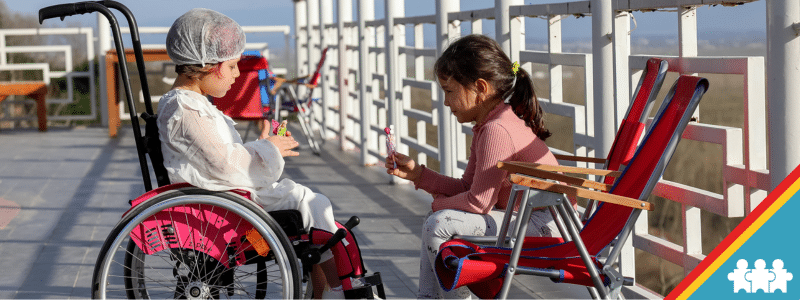
Not only should you celebrate Disability Pride Month with local festivities, but you should also celebrate through education. 

Further honor disability culture by:

  • Learning about disabilities, their history, and the history of Disability Pride Month.
  • Share your disability story and encourage others to do the same.
  • Teach the next generation about the importance of disabilities and how to include disabled people.
  • Hire people with disabilities and break stigmatism.
  • Be an advocate and take action by talking to elected officials, donating to disability support organizations, and showing your pride.

As Nelson Mandela said, “Education is the most powerful weapon which you can use to change the world.” By gently and generously educating others, we can change the perceptions of disabilities and create a more inclusive community! Never stop showing your pride, and attend a Disability Pride event in your community this July. 

What is the Disability Pride Month flag?

The disability pride month flag is a zig-zagged pattern over a dark background. Each color was carefully picked to represent a different category of disability. These colors include:

  • Green: representing sensory perception disabilities. Disabilities in this category include hearing loss, visual impairment, and sensory processing disorder.
  • Red: representing physical disabilities. Included in this is chronic pain, limb loss, or mobility impairments.
  • White: representing undiagnosed or invisible disabilities. Many people suffer from disabilities that go unseen or are yet to be diagnosed.
  • Yellow: representing cognitive and intellectual disabilities. Neurodivergent disorders comprise most of this category, including ADHD, autism spectrum disorder, and dyslexia.
  • Blue: representing mental illness. Psychiatric disabilities include depression, PTSD, and anxiety. 

The zig-zagged, or lightning bolt, shape of the colors symbolizes the way people with disabilities have to cut through societal barriers such as acceptance and inclusion. 

The charcoal background honors disabled people who have lost their lives due to violence, negligence, or suicide. 

Each detail of this flag was carefully selected to represent the struggles of having a disability and to recognize every unique impairment!


Filed Under: Developmental Disorders

Eating fuels us to run, laugh, and live life to the fullest. Without proper nutrition, it’s easy to not feel like yourself. As pediatric feeding disorders can often lead to a poor diet, feeding therapy can get your child to eat a variety of meals again. 

Feeding therapy is a specialized approach to all eating challenges. It’s not uncommon for an autistic child to be a selective eater, so early intervention can make mealtime more relaxed and positive.

Feeding therapy programs can benefit any age, but working with children is most effective for long-term nutritional improvement. Working alongside a speech-language pathologist (SLP), autistic children can see the changes needed for improved quality of life.

In this blog, we’ll discuss:

  • What is feeding therapy for autism?
  • Is feeding therapy the same as speech therapy?
  • How does feeling therapy work?
  • What are the techniques of feeding in ABA?
  • What to expect from feeding therapy?

What is Feeding Therapy for Autism?

Feeding therapy is a specialized approach to all eating challenges. Autistic children typically face feeding problems because of their selective preference and sensory challenges. Selective eating is common for autistic children because they avoid unfamiliar foods or ones with abnormal textures. This can cause disordered eating or fear of new foods. 

Relying on preferred foods can also contribute to a limited diet in autistic children – as they are not eating proper nutrients. At this point, feeding intervention becomes necessary. Feeding therapy for autistic children is not significantly different compared to typical feeding therapy, as each therapy approach will be customized for the child’s needs and progress. 

Is Feeding Therapy the Same as Speech Therapy?

Both forms of therapy have overlapping techniques but ultimately focus on a different concern. Feeding and speech therapy can both be performed by an SLP, but feeding therapy can additionally be conducted by an occupational therapist.

Speech therapy focuses on improving autonomous communication via AAC as well as language and speaking skills such as articulation, motor planning, and vocabulary development.

Feeding therapy focuses on improving the mealtime experience to promote a positive relationship with food through environmental changes as well as addressing underlying feeding issues such as delayed feeding and oral motor skills (such as the ability to chew and swallow).

How Does Feeding Therapy Work?

Feeding therapy uses a variety of techniques to make mealtimes safe and enjoyable. This helps children eat appropriate food for their age and get proper nutrients. Skills commonly taught are:

  • Oral motor skills. These skills teach the child to chew, swallow, and sip in order to increase oral strength. Activities include blowing bubbles, playing instruments, or making silly faces.
  • Food orientation. Due to allergies or sensory issues, food aversion can become dangerous. If meals are not balanced, they will not have a healthy diet. A therapist will work to slowly expand the child’s diet and work on reducing sensitivity to textures.
  • Improvement on the overall experience. Eating can become negative or anxiety-inducing after a child consistently avoids certain foods. Working to improve mealtime routines and food association, therapists can generate a more positive eating experience.

With a speech-language therapist, these skills will be put into practice during one on one direct therapy. A personalized approach paired with sensory adjustments will bring your child results through effective feeding patterns. 

What are the Techniques of Feeding in ABA?

The basis of Applied Behavior Analysis (ABA) therapy is positive reinforcement. In feeding therapy, similar techniques can be used.  Instead of forcing a child to eat something they don’t want to, you can work on desensitization, food chaining, shaping, and positive reinforcement. You’ll see greater results by encouraging the child through each step of this process and allowing room for growth. 

What to Expect From Feeding Therapy?

Feeding therapy starts with evaluating your child’s meals and mealtime behavior. With a review of feeding history and parental report of feeding experience, your therapist will watch the child eat to observe eating habits and oral motor skills. After grasping what changes need to be made for mealtimes or what is making the child uncomfortable, your therapist will then create a personalized plan and the next steps.

Filed Under: Speech & Language

By paying attention to your child’s unique needs, you can build confidence and foster meaningful connections.

In this blog, we’ll discuss:

  • What causes poor social skills in autism?
  • How do you encourage social interaction in autism?
  • How do you help an autistic person socialize?
  • What treatment is used to enhance social skills of Autistic individuals?
  • What are five strategies that can be used to help support Autistic children

What Causes Poor Social Skills In Autism?

For autistic people, neurological differences can cause difficulties with social interactions. This isn’t caused by any external factors but is rather something that an autistic person is born with. Reasons for this include:

  • Impaired social cognition
  • Sensory issues
  • Restricted interests
  • Repetitive behaviors
  • Communication challenges
  • Social anxiety

An autistic person may struggle to maintain eye contact, understand body language, or will overall avoid initiating conversation. All of this surmounts to poor social skills. 

How Do You Encourage Social Interaction In Autism?

First and foremost, a welcoming and supportive environment will be the best way to encourage social interaction. Knowing that they can safely interact with others will make socializing much easier. But alongside that, fun and engaging activities are the best ways to build social interaction skills.

Play-based social learning can help an autistic child practice their skills all while having fun. This play can include visual support, pretend play, puppets, storytelling, or talking with a social skills group. 

How Do You Help An Autistic Person Socialize?

It’s important to remember that you shouldn’t force anyone to socialize! You can gently help an autistic person build relationships by respecting their boundaries and understanding their individual needs. You can provide adequate support by:

  • Making a comfortable environment
  • Respecting communication differences and personal boundaries
  • Encouraging their special interests
  • Celebrating social success
  • Providing time to take a break or recharge
  • Being understanding

Social stories are another great tool to help prepare your child for socializing. These stories narrate specific social situations or problems, which helps teach your child how to overcome them. You can narrate an appointment they have to go to, a birthday party, an errand run, or even the day ahead. By role-playing what will happen and modeling social interaction, you can prepare your child for the day. Each of these efforts can aid in developing social skills. 

What Treatment is Used to Enhance Social Skills of Autistic Individuals?

Applied Behavior Analysis can help an autistic person find positive behavior correction. Techniques will include social play, social language, and social intuition. Your therapist will conduct social skills training through:

  • Turn-talking
  • Empathy
  • Identifying social cues and emotions.
  • Initiating conversation
  • Appropriate play
  • Following directions

A speech pathologist can also help your child grow confident in their verbal expression. This therapist will teach social skills such as saying hello and understanding humor, sarcasm, and slang. 

Each autistic child is different and will require different kinds of therapy to match their needs. It’s important to connect with a specialist to get a professional analysis and work towards what your child needs- not what is recommended for all autistic children! Your treatment should always be personalized. 

What Are 5 Strategies That Can Be Used To Help Support Autistic Children?

As your child grows through their diagnosis, you can support their development and needs. Here are five strategies you can easily implement for daily improvement. 

  1. Become an expert on both your child and autism. The more you know about your child’s disorder, the more you will be able to both understand and help them! Identify their unique needs, triggers, and interests so you can combat problem situations with ease. 
  2. Be consistent and positive. While the world is unpredictable and overwhelming, you are your child’s source of steadfastness. Work to create consistency in controlled environments and continue to apply your therapist’s techniques at home. Make learning fun, and don’t forget to encourage them every step of the way!
  3. Create a safe space. Make a space in your home that your child can feel calm and comfortable in. Dim lights, sensory toys, neutral wall colors, and tools such as weighted blankets or headphones can help calm your child and allow them to regulate their emotions. This is a space where they can unwind and know they are allowed to be safely alone. 
  4. Recognize sensory sensitivities. Autistic children are more prone to sensory issues– where their sight, hearing, taste, touch, and scent are heightened. If you notice something that consistently triggers your child, remove this or avoid it as often as possible. 
  5. Don’t give up! Each day will bring its own challenges, but it’s worth it. Amidst your journey, remember that your child is still growing and developing their skills with age. They have not yet reached their full potential- no one knows what the future holds!

Filed Under: Autism

Speech therapy for autistic people can be beneficial in many ways: it generates noticeable growth in spoken language, AAC, building and maintaining meaningful relationships, and self-advocacy. 

Early intervention is key to supporting autistic children, so there’s no time like the present to begin your journey.

In this blog, we’ll look at the following:

  • What is speech therapy used for?
  • Benefits of speech-language therapy for Autistic children
  • Speech-language therapy routines for Autistic children
  • How to start your child in speech therapy for autism
  • Is speech therapy for autism covered by insurance?

What is Speech Therapy Used for?

While autism spectrum disorder (ASD) is a unique and personal experience for every child, there are common techniques that are used by most speech-language pathologists (SLPs). Speech therapy is used to improve or enhance an individual’s communicative abilities for the purpose of establishing and maintaining meaningful relationships through autonomous communication. With a multi-disciplinary approach, success and growth is often achieved.

Benefits of Speech-Language Therapy for Autistic Children

Improving your child’s overall communicative pathways is one of the main goals of speech-language therapy. While autistic children will have varying challenges and experiences, the end objective is lifelong success. Some of the most common benefits of speech therapy are:

  • Improved spoken language skills.
  • Written language development.
  • Noticeable improvement in speech impediments, such as stutters or speech sound disorders.
  • Navigating meaningful social situations (which leads to increased social interactions). 
  • Understanding how non-speaking (gestures, facial expressions) language impacts communication.
  • Learning an alternative or augmentative mode of communication (AAC)

With an emphasis on early intervention, the consistency of speech therapy also plays a significant role in improvement. Having a conversation with your clinician about how to best integrate speech therapy into your family’s routine will help with generalization and progress. 

Speech-Language Therapy Routines for Autistic Children

In order to generate consistency in your child’s speech therapy routine, we recommend activities both in the clinic and at home. Small group therapy or one-on-one sessions will provide mechanics your child can bring into their daily environments. Speech-language activities for autistic children might include:

  • Practicing articulation targets 
  • Providing routines and consistency that promote predictability  
  • Engaging in preferred play activities that interest the child- such as sensory games with objects such as bean bags or bottles
  • Modeling and accepting alternative modes of communication (ACC) 

While your SLP will be an important part of your child’s care, you will still be your child’s most consistent teacher and steadfast advocate. Caregivers partnering with a child’s ABA and speech therapy is crucial for well-rounded support. 

How to Start Your Child in Speech Therapy for Autism

Speech therapy can be conducted in several settings, including a private clinic, school-provided IEP, or at home. Multi-disciplinary clinics provide an opportunity for various professionals to work together for the support of your family. These clinics often have in-house speech-language pathologists who work hand-in-hand with other licensed therapists to provide the best care plan for your child. 

Is Speech Therapy for Autism Covered by Insurance?

Most health insurance covers speech therapy for autism but check with your insurance provider before beginning treatment. Speech therapy is often written into academic IEPs as a part of your child’s educational program, which will present no cost to your family.

Similarly, there are also organizations (such as AHCCCS) that cover medically necessary speech therapy. Speak to a speech language pathologist about a plan that works best for your family today.

Filed Under: Speech & Language

Working with autistic children is a truly rewarding career. A child is experiencing tremendous changes as they grow, learning more and more about themselves and everything around them each and every day.

In this blog, we’ll answer the following questions:

  • What skills do you need to work with autistic children?
  • What education do you need to work with autistic children?
  • Do you need training to work with an autistic child?
  • Which careers involve working with autistic children?

What Skills Do You Need to Work with Autistic Children?

It’s important to exercise certain qualities of character when working with neurotypical and neurodivergent children.

Attention to Detail

Autistic children can struggle to pay attention and often function best with order and routine. Being detail-oriented allows you to organize tasks and plan for potential or re-occurring challenges while keeping a schedule and maintaining consistency. 

Positive Attitude

Working with children is no simple and easy task. It takes dedication and the right mindset. A positive attitude is vital to promoting a vibrant learning environment for yourself and the children you work with, reassuring every child that they are in a safe place with adults who care and will protect them.

Creativity

While teaching and working with children, it’s important to incorporate fun. For autistic kids, you need to think outside the box to find activities they enjoy and the most effective learning methods.

Compassion

Children are constantly taking in new information. They’re learning about the world around them and taking risks. As they grow up, children make mistakes and need redirection and encouragement.

Patience

As an adult, it’s important to exercise patience and understanding. Children need a balance between guidance and space to make decisions and develop independence.

Empathy and Knowledge

While empathy and knowledge may seem like two different things, these qualities pour into one another. It’s important to educate yourself and grow in understanding of why a child you’re working with chooses to say or do certain things.

Taking the time to understand the mind of an autistic child and the effects of autism on the mind and body allows you to react to situations with the appropriate response, creating trust between the child and yourself.

What Education Do You Need to Work with Autistic Children?

To work with autistic children, you need the proper educational background and experience. Depending on the job, a bachelor’s degree in special education or another relevant field may be all that’s required. Other times, a career working with autistic children may require a master’s degree or higher.

Do You Need Training to Work with an Autistic Child?

Due to the wide range of jobs working with autistic children, training expectations vary. Some careers, such as special education teachers, may only need certification in teaching or special education.

There are available training programs that can be taken voluntarily or as requested by a job. These include workshops, online courses, and additional certification programs.

Careers Working with Autistic Children

The best way to understand the daily duties, training, and educational requirements to work with autistic children is by researching specific jobs in the field. 

Careers we foster at Ally Pediatric Therapy include:

  • Board Certified Behavior Analyst (BCBA)
  • Speech-language pathologist
EducationExperienceCertification
BCBA• Bachelor’s Degree
• Master’s Degree in related field
• Supervised fieldwork• BCBA Certification
• State licensure
• Compliance with BACB’s Professional and Ethical Compliance Code for Behavior Analysts
SLP• Bachelor’s degree
• Master’s degree in speech-language pathology from a program accredited by the Council on Academic Accreditation (CAA) in Audiology and Speech-Language Pathology
• Supervised fieldwork
• Supervised clinical hours
• ASHA Certification

Board Certified Behavior Analyst (BCBA)

A BCBA oversees and designs treatment plans for autistic children and other developmental disabilities. They use evidence-based methods while managing and building hard-working, knowledgeable staff. A behavior analyst works in various environments, including schools, homes, clinics, and hospitals.

  • Education: Bachelor’s degree, master’s degree in related field (psychology, education, sociology, etc.), coursework in applied behavior analysis
  • Experience: Supervised fieldwork
  • Certification: BCBA certification, state licensure, compliance with BACB’s Professional and Ethical Compliance Code for Behavior Analysts

Speech-Language Pathologist

Speech-language pathologists work directly with those who have communication and feeding and swallowing disorders. They evaluate and diagnose the condition to provide the best-fit treatment. The goal of these treatments is to improve communication and feeding/swallowing skills. 

  • Education: Bachelor’s degree, Master’s degree in speech-language pathology from a program accredited by the Council on Academic Accreditation (CAA) in Audiology and Speech-Language Pathology.
     
  • Experience: Supervised fieldwork, supervised clinical hours
  • Certification: ASHA certification, which includes adhering to ASHA’s code of ethics, state licensure

Filed Under: Autism

Methods like Natural Environment Teaching (NET) offer alternatives to traditional educational methods and contexts.

In this blog, we’ll look at the following:

  • What is Natural Environment Teaching (NET)?
  • Incidental Teaching
  • Natural Language Paradigm
  • Pivotal Response Training
  • Early Start Denver Model (ESDM)
  • How is NET beneficial to autistic children?

What is Natural Environment Teaching (NET)?

Natural Environment Teaching (NET) is a teaching method that uses the principles of applied behavior analysis (ABA). It places a child into a learning environment they’re familiar with and feel comfortable in. As the name suggests, NET uses a more organic approach to learning and teaches skills through play. As a teacher learns the child’s interests and preferences, they can identify toys, games, and activities to incorporate into lessons.

Despite misconceptions, ABA therapy doesn’t solely take place at a table. NET in ABA is meant to be a hands-on method of learning. The teacher will encourage activities that interact with the child’s environment. By incorporating everyday items into learning experiences, children will better absorb information by utilizing familiarity.

What are Examples of NET?

Incidental Teaching

Incidental teaching targets communication skills in NET, particularly for children who already have language abilities. A teacher will enter into a child’s game or playtime and encourage conversation by asking questions about the toy or items. 

A key piece of incidental teaching is using the objects the child already shows interest in rather than introducing new ones. This way, you join their play world while prompting them to converse through gestures, pictures, or speech.

Natural Language Paradigm

Unlike incidental teaching, the natural language paradigm is ideal for non-speaking children. Typically, the teacher will have the child pick one thing from a few different games, toys, or activities. They can ask the child to point at their preferred choice. 

Once chosen, the teacher models how to play using the selected item. They’ll verbally name and describe it, encouraging the child to play with the item themself. Then, the teacher will remove the item and prompt the child to repeat the correct words to regain the item.

Pivotal Response Training (PRT)

PRT focuses on the behavioral areas that have the most significant impact on a child’s development. The teacher will base the program around learning and improving essential skills.

How Does PRT Work?

PRT works to decrease problematic behaviors through positive reinforcement. The teacher won’t respond negatively to undesired behaviors but will reward the child when they exhibit desired behaviors.

How Does PRT Benefit Autistic Children?

Autistic children may find specific behavioral and socialization skills more difficult to develop than atypical children. Because of this, PRT is an effective method to help an autistic child speed up the development of skills.

How Effective is PRT?

Research studies show that PRT is incredibly effective in building and improving behavioral skills. More than a dozen studies done by therapists have indicated a clear improvement in communication skills for autistic children.

Early Start Denver Model (ESDM)

ESDM was developed for young autistic children (ages 12 to 48 months). This type of NET utilizes play to develop developmental, language, and play skills. Like PRT, ESDM uses positive reinforcement to encourage different responses and to learn skills.

How is NET Beneficial to Autistic Children?

The targeted skills in NET models coincide with many developmental challenges in autistic children. Play therapy sessions in natural settings can promote learning in autistic children who thrive on structure, visual and hands-on learning, and positive reinforcement.

The benefits of natural environment teaching include alternative and personalized approaches to learning that can be done at the child’s pace. Overall, NET is proven effective for skill development in autistic children.

Filed Under: ABA Related

  • « Go to Previous Page
  • Page 1
  • Page 2
  • Page 3
  • Page 4
  • Page 5
  • Page 6
  • Go to Next Page »

Contact Us

Phone: 602.606.2237

Fax: 844.475.2307

Info@allypediatric.com

Privacy & Non-Discrimination Policies

Compliance Hotline

Subscribe

Enter your email to sign up for our newsletter.

  • Facebook
  • YouTube
  • LinkedIn
  • Instagram
  • Pinterest

ALLY PEDIATRIC THERAPY © 2026 – ALL RIGHTS RESERVED